"The Get Out the Vote" Early Voting Block Party
July 25th 9am-5pm. Early Voting starts July 25th thru August 2nd. Click here for more information.

block-detroitminew-views-block-news-events-block-1,News & Events*block-detroitminew-views-block-related-links-block-1,Related Links*block-detroitminew-views-block-video-playlist-block-1,Videos*documents-block,Documents*block-detroitminew-views-block-forms-block-1,Forms*block-views-block-faq-block-1,FAQs*block-detroitminew-views-block-district-map-block-1,District Map*block-views-block-council-office-directory-block-1,Office Directory*block-detroitminew-views-block-contacts-block-3,Contacts*block-detroitminew-views-block-contacts-block-4,Contacts*block-detroitminew-views-block-council-member-bio-block-1,Bio*block-detroitminew-views-block-sub-sections-block-1,Sections*block-detroitminew-views-block-web-apps-block-1,Web Apps*block-detroitminew-views-block-news-events-block-4,News*block-detroitminew-views-block-news-events-block-3-2,Events*block-detroitminew-views-block-contacts-special-block-1,Staff*block-detroitminew-views-block-statements-block-1,Statements*block-detroitminew-views-block-newsletters-block-1,Newsletters*block-detroitminew-views-block-newsletters-block-3,Ordinance*block-detroitminew-views-block-newsletters-block-2,Resolutions*block-detroitminew-views-block-newsletters-block-4,Memos
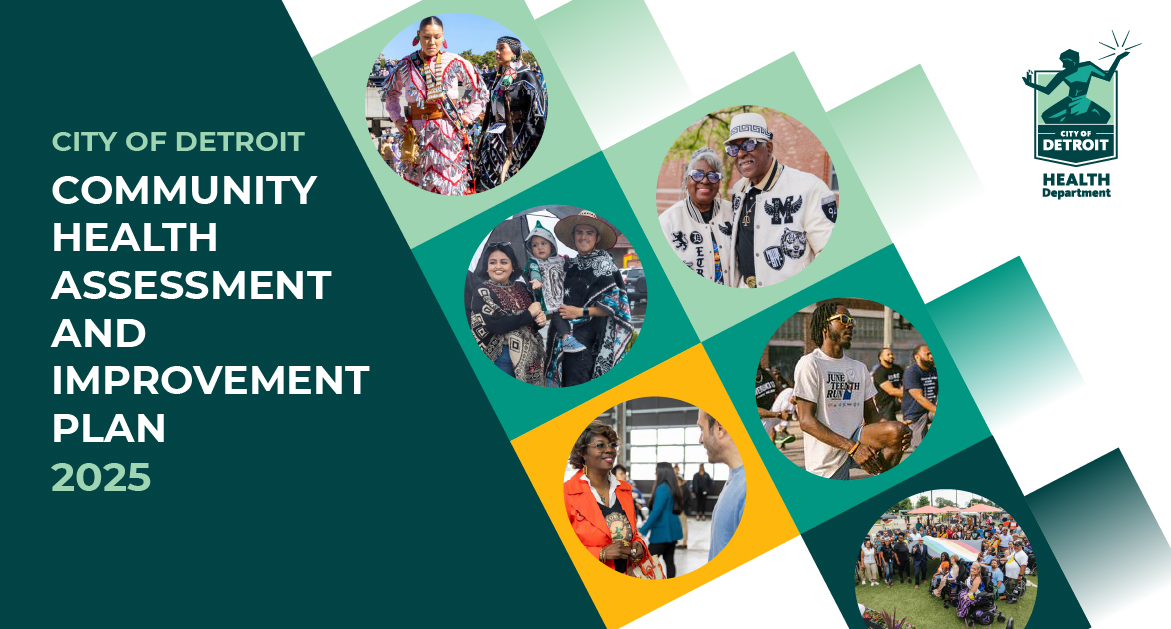
The Community Health Improvement Plan (CHIP) is a strategic, community-driven blueprint designed to work within the City’s Health in All Policies (HiAP) framework. The strategies outlined in the CHIP will be anchored by the Detroit Health Department, in collaboration with City departments, and carried out in partnership with the community to drive necessary changes in policies, systems and environments across every district.
We would like to thank the nearly 6,300 residents who participated in the data collection process through the community survey and focus groups providing us with a clearer understanding of the health status of our community, along with the most significant health priorities impacting residents’ quality of life.
A special thank you to our Steering Committee members who helped guide this entire process and provided valuable feedback along the way.
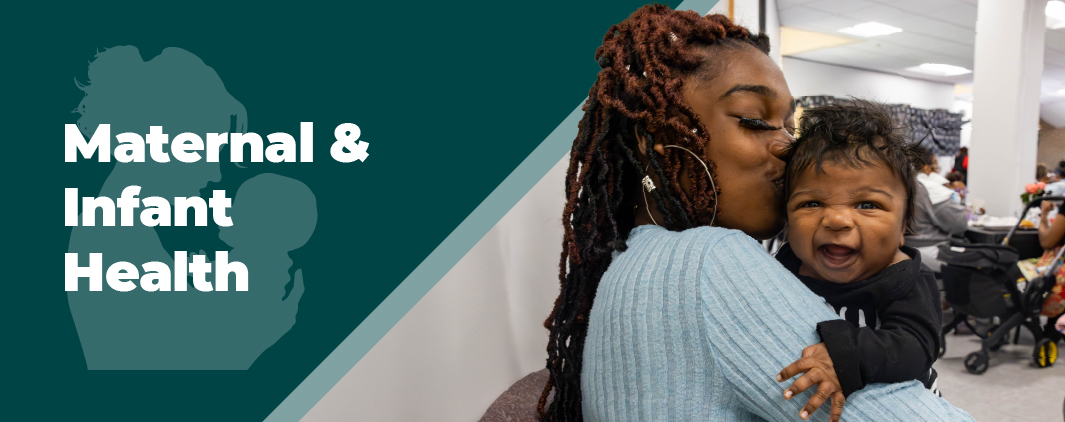
Detroit faces urgent maternal and infant health issues, driven by racial disparities and insufficient resources that directly impact key health outcomes such as high infant mortality rates.
Goal 1
Objective 1: By December 31, 2026, expand current initiatives that improve maternal and child health, promote family engagement, and positive birth experiences.
Objective 2: By December 31, 2026, actively address health inequities and social determinants of health.
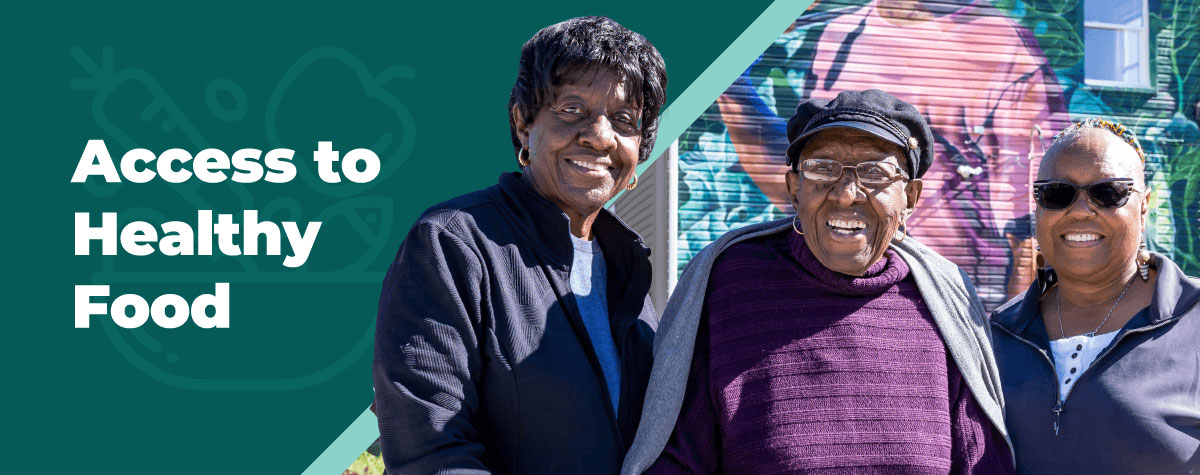
Access to healthy food in Detroit is hindered by various factors including proximity, affordability, lack of nutrition education, and prevalence of unhealthy food options all of which contribute to nutrition-related health issues and poorer health outcomes.
Goal 1
Objective 1: By December 31, 2026, promote awareness of citywide food distribution networks.
Goal 2
Objective 1: By December 31, 2026, distribute educational materials to support residents in purchasing healthy food.
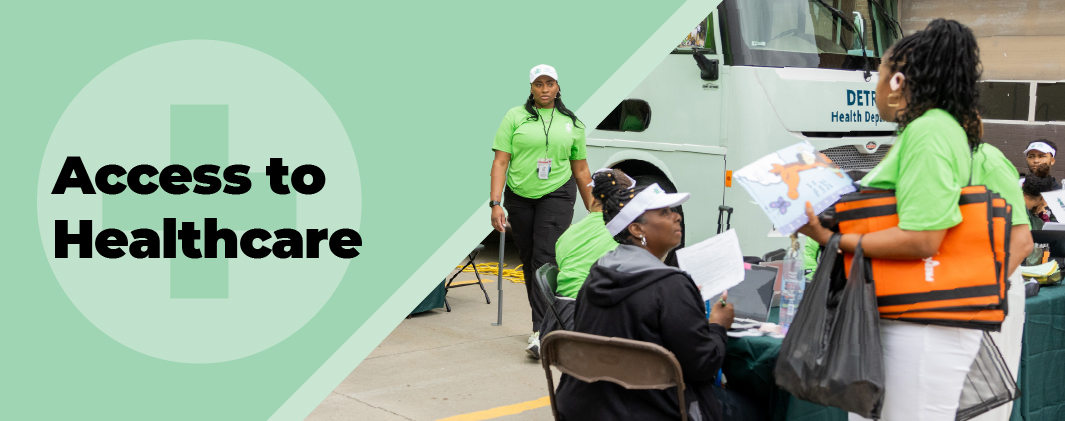
Detroiters face a variety of social, community, and economic barriers that disproportionately impact their ability to access high quality and affordable healthcare.
Goal 1
Objective 1: By December 31, 2027, increase the number of residents who can access preventative healthcare services.
Goal 2
Objective 1: By December 31, 2027, increase mental health services referrals.
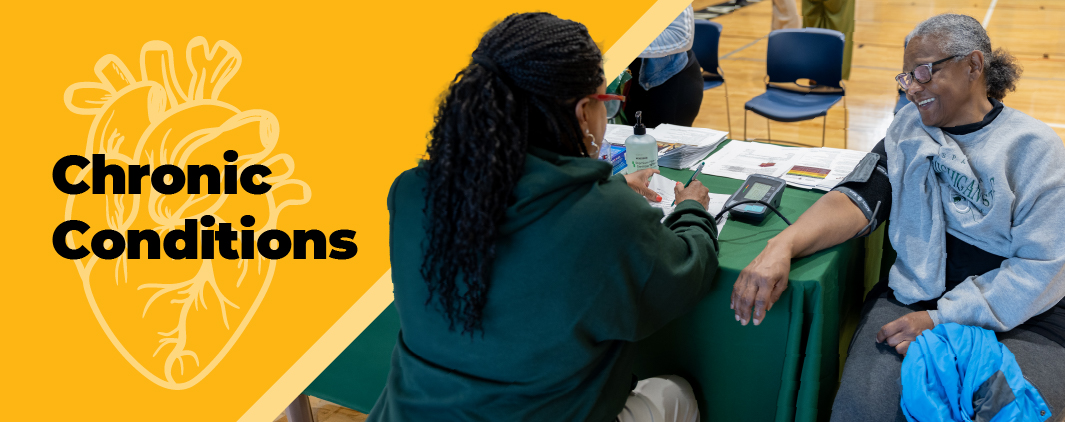
The prevalence of chronic conditions, coupled with systemic barriers such as inadequate trust in healthcare providers and insufficient prevention and management of care, contributes to the lower life expectancy rates in Detroit.
Goal 1
Objective 1: By December 31, 2028, expand community partnerships between recreational pathways, the local food system and the healthcare system.
Goal 2
Objective 1: By December 31, 2028, increase community knowledge through increased data accessibility and communication channels.
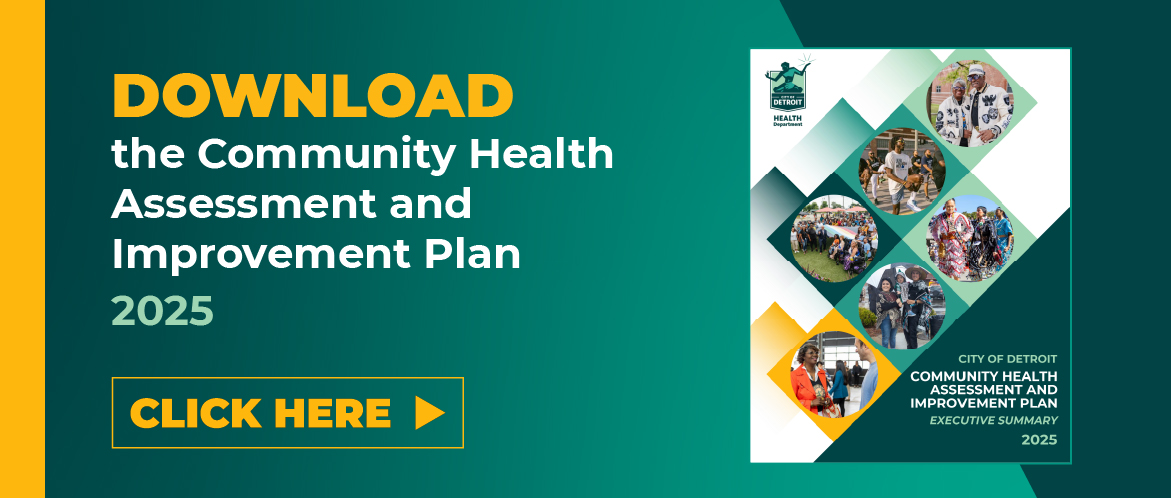
Stay up to date and engaged with Detroit's community health improvement efforts.

Learn more on how the Detroit Health Department's Quality and Accreditation team work to support performance and continuous improvement in public health.

Meet MAPP 2.0, the strategic community health improvement framework that is used to guide planning and action toward a better, healthier Detroit
Explore the data briefs that summarize the strategic health issues and inform action priorities identified through the Community Health Assessment.
مدينة ديترويت خطة تقييم وتحسين الصحة المجتمعية الملخص التنفيذي 2025
ডেট্রয়েট সিটি কমি উনি টি স্বাাস্থ্যয মূ ূল্যাা�য়ন ও উন্নয়ন পরি কল্পনা া কা ার্যযনি র্বাা যাহীী সা ারসং ংক্ষে প 2025
El Plan de Mejora de la Salud de la Comunidad (Community Health Improvement Plan, CHIP) está pensado como un documento vivo, que evoluciona a medida
Detroit CHA Data Briefs 2025 With References
The Community Health Improvement Plan (CHIP) is intended to be a living document, one that evolves as new data, partnerships, and funding opportunities emerge.
The Community Health Improvement Plan (CHIP) is intended to be a living document, one that evolves as new data, partnerships, and funding opportunities emerge. The