
أعلنت مدينة ديترويت عن تحديث تقديرات الإيرادات للسنوات المالية 2026-2030
- التوقعات: يُظهر اقتصاد ديترويت مرونة مع نمو التوظيف والأجور بمرور الوقت
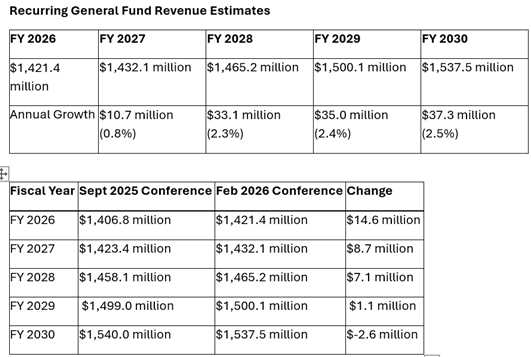
- تُقدّر إيرادات الصندوق العام المتكررة لشهر فبراير بـ 1.42 مليار دولار أمريكي في السنة المالية 2026، بزيادة قدرها 14.6 مليون دولار أمريكي عن تقديرات مؤتمر سبتمبر 2025. وتُعدّ ضريبة المراهنات المحرك الرئيسي لهذه الإيرادات الأعلى من المتوقع.
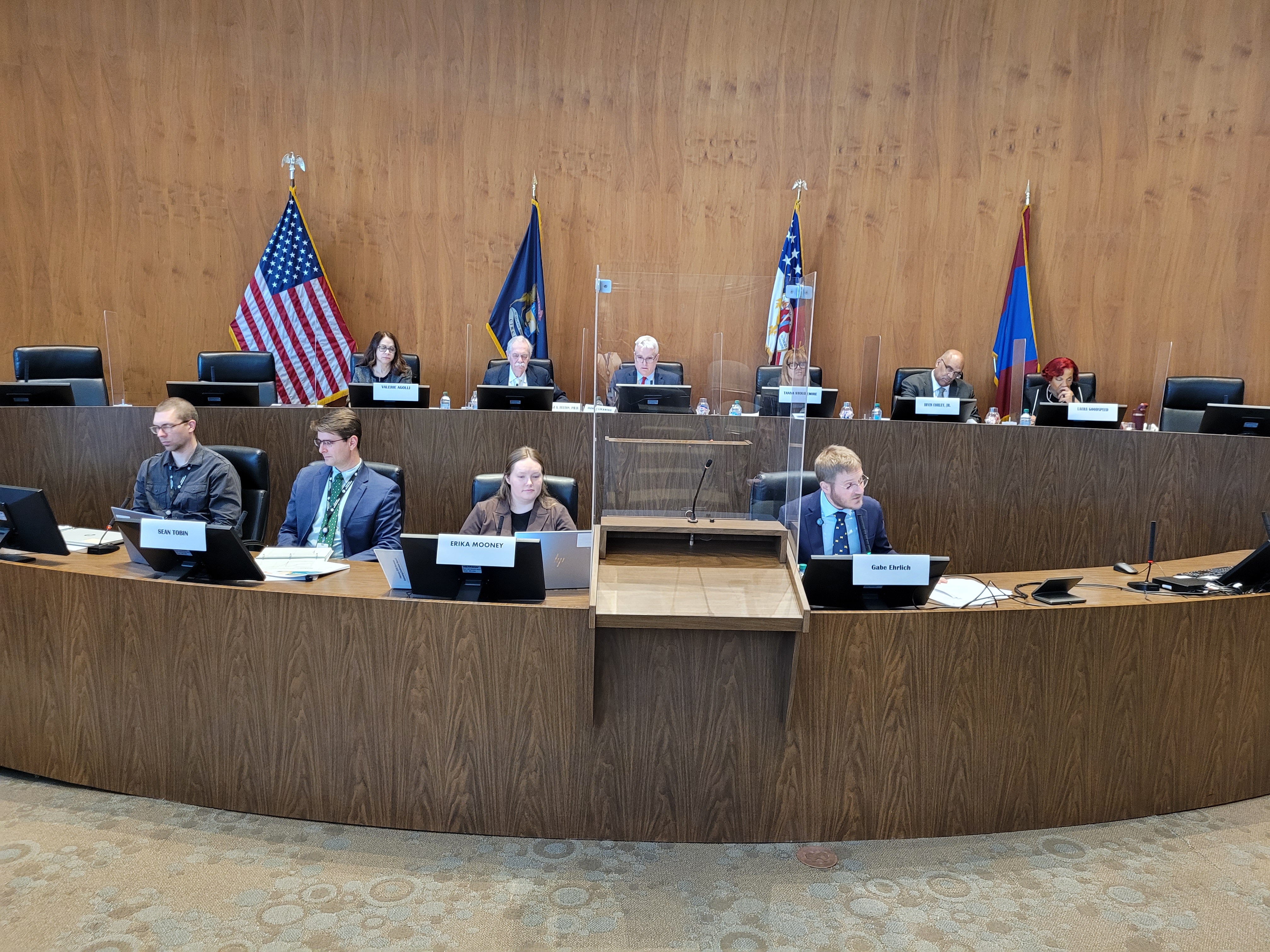
في 13 فبراير، عقدت مدينة ديترويت مؤتمرها الدوري نصف السنوي لتقدير الإيرادات لتلقي أحدث تقرير عن التوقعات الاقتصادية لمدينة ديترويت وللموافقة على التوقعات الاقتصادية وتوقعات الإيرادات المحدثة للفترة المتبقية من السنة المالية 2026 وللسنوات المالية من 2027 إلى 2030. وينص قانون الولاية على أن تعقد المدينة مؤتمرات إيرادات مستقلة في سبتمبر وفبراير من كل سنة مالية لتحديد المبلغ الإجمالي المتاح لميزانيتها السنوية وخطة التمويل لأربع سنوات.
يشير تقرير التوقعات الاقتصادية لمدينة ديترويت للفترة 2025-2030 ، الذي صدر الأسبوع الماضي، إلى أن اقتصاد ديترويت يتمتع بالمرونة حيث من المتوقع نمو معتدل في الأجور والتوظيف خلال فترة التوقعات بعد إعادة ضبط أسعار الفائدة المرتفعة، والتغييرات في السياسة الوطنية التي تؤثر على التجارة وصناعة السيارات.
تم إعداد التوقعات من قبل شراكة التحليل الاقتصادي لجامعة مدينة ديترويت، وهي عبارة عن تعاون بين باحثين اقتصاديين من المدينة وجامعة واين ستيت وجامعة ولاية ميشيغان وحلقة البحث في الاقتصاد الكمي (RSQE) في جامعة ميشيغان.
تشير التوقعات إلى ارتفاع إيرادات المدينة مقارنةً بتقديرات شهر سبتمبر، ما يعكس استمرار النمو في المجالات الرئيسية، بما في ذلك إيرادات ضريبة المراهنات وضريبة الأملاك. وقد قام المشاركون في مؤتمر الإيرادات الذي عُقد في فبراير بتحديث تقديرات الإيرادات للصندوق العام المتكرر من 1.41 مليار دولار إلى 1.42 مليار دولار للسنة المالية 2026.
التوقعات: اقتصاد ديترويت مرن، ويشهد نموًا معتدلًا
خلال فترة التوقعات، من المتوقع أن تنمو وظائف الرواتب في ديترويت، وأن ترتفع أجور سكان ديترويت بوتيرة أسرع من أجور الولاية.
"على الرغم من أنه من المتوقع أن يكون النمو معتدلاً خلال السنوات الخمس المقبلة، إلا أن اقتصاد ديترويت يُظهر مرونة ملحوظة، حيث يتحول التوقف الحالي إلى مكاسب ثابتة في التوظيف والأجور ودخل الأسر"، هذا ما قاله غابرييل إيرليخ، مدير ندوة جامعة ميشيغان البحثية في الاقتصاد الكمي والمؤلف الرئيسي للتوقعات.
أبرز النقاط الإضافية في التوقعات:
- وتشير التوقعات إلى أن نمو أجور سكان ديترويت سيتجاوز قليلاً المتوسط على مستوى الولاية، مما سيؤدي تدريجياً إلى تضييق الفجوة القائمة منذ فترة طويلة مع الأجور التي تدفعها الشركات في المدينة.
- بحلول عام 2030، من المتوقع أن ترتفع متوسط أجور سكان ديترويت إلى 53.6% من متوسط الأجر الذي يتم الحصول عليه في الوظائف في مؤسسات المدينة - وهي أعلى قراءة منذ بدء بيانات الباحثين في عام 2010.
- بلغ متوسط عدد القوى العاملة في ديترويت أعلى مستوى له منذ أواخر عام 2010، بينما ظل معدل البطالة فيها ضمن خانة الآحاد تقريبًا. ويشير التقرير إلى أن هذا الأمر مُشجع، لأنه تزامن مع ارتفاع أسعار الفائدة وتقلب سياسات التجارة الدولية.
- ومن العلامات المشجعة الأخرى: أن الفجوة في معدل البطالة بين ديترويت والولاية قد تقلصت بشكل كبير بمرور الوقت، حيث انخفضت من 12.3 نقطة مئوية في عام 2010 إلى 3.3 نقطة في عام 2023. ومن المتوقع أن تتسع إلى 4.5 نقطة مئوية هذا العام، ولكنها ستتقلص إلى 4.1 نقطة بحلول عام 2030.
"إن الهيكل المالي الذي وضعناه على مدى السنوات القليلة الماضية يضمن استمرار قدرة مدينة ديترويت على الصمود في وجه الانكماش الاقتصادي. وتظل إدارتي ملتزمة بهذا النهج من الانضباط المالي، لضمان توفير الموارد اللازمة لتقديم التحسينات والخدمات التي يستحقها كل مواطن في ديترويت"، هذا ما قالته رئيسة البلدية ماري شيفيلد.
وتشير تانيا ستودماير، المديرة المالية لمدينة ديترويت، إلى أن: "اقتصاد ديترويت، كما هو موضح في تقرير التوقعات الاقتصادية لجامعة ميشيغان، يثبت مرونته، حيث يقوم بتعديل استراتيجياته لمواجهة تأثير السياسة الفيدرالية المتغيرة". هذا الاستقرار هو نتيجة مباشرة لأكثر من عقد من الإدارة المالية المنضبطة والشراكة التعاونية بين رئيس البلدية ومجلس المدينة في اتخاذ قرارات صعبة ولكنها ضرورية.
نتائج مؤتمر تقدير الإيرادات
أعلن مؤتمر الإيرادات أن الإيرادات المتكررة للصندوق العام للسنة المالية 2026 من المتوقع أن تبلغ 1.42 مليار دولار للسنة المالية الحالية المنتهية في 30 يونيو 2026، بزيادة قدرها 14.6 مليون دولار عن تقديرات المؤتمر السابقة في سبتمبر 2025. ويعود هذا الارتفاع إلى ضريبة المراهنات التي شهدت زيادات في إيرادات ألعاب الإنترنت. شهدت حصة الولاية من الإيرادات انخفاضًا في الإيرادات المتوقعة، سواءً بموجب الدستور أو القانون، والمرتبطة بنتيجة ميزانية الولاية في الخريف الماضي. وسيتم تعويض هذا الانخفاض في التوقعات بمبلغ لمرة واحدة من منحة الأمن العام. وتخضع هذه الأموال لقيود تفصيلية على الإنفاق، وستكون جزءًا من صندوق الإيرادات الخاصة المقيدة للمدينة.
من المتوقع أن تبلغ الإيرادات المتكررة للصندوق العام للسنة المالية 2027، التي تبدأ في 1 يوليو 2026، 1.43 مليار دولار، بزيادة قدرها 8.68 مليون دولار عن تقديرات المؤتمر السابق في سبتمبر 2025. ويعود هذا التوقع الأعلى إلى توقعات نابعة جزئياً من النمو المستمر لضريبة المراهنات، إلى جانب الاستقرار الناتج عن الإيرادات الرئيسية الأخرى. وتشير التوقعات للسنوات المالية من 2027 إلى 2030 إلى استمرار نمو الإيرادات الإجمالية بنحو 2٪ سنوياً.
ستستخدم المدينة التقديرات المعدلة التي تمت الموافقة عليها اليوم لإعداد ميزانية المدينة للسنة المالية 2027 وخطة مالية مدتها أربع سنوات تمتد من السنة المالية 2027 إلى السنة المالية 2030. ويتألف أعضاء لجنة التصويت من: تانيا ستودماير، المديرة المالية للمدينة؛ وأندرو لوكوود، مدير قسم التنبؤ والتحليل الاقتصادي، مكتب تحليل الإيرادات والضرائب، وزارة الخزانة في ميشيغان (المُعيّن)؛ وجورج أ. فولتون، الحاصل على درجة الدكتوراه، المدير الفخري، وأستاذ البحث الفخري، وندوة البحث في الاقتصاد الكمي (RSQE)، قسم الاقتصاد، جامعة ميشيغان.
لمراجعة الإيرادات السابقة تقدير تقارير المؤتمرات زيارة التقارير المتعلقة بالإيرادات والتقارير الاقتصادية على موقع مكتب الميزانية الإلكتروني.
- مؤتمر الإيرادات لشهر فبراير 2026 - شرائح عرض التوقعات الاقتصادية لمدينة ديترويت
- مؤتمر الإيرادات لشهر فبراير 2026 - شرائح تقدير الإيرادات
- اجتماع مؤتمر الإيرادات لشهر فبراير 2026 - تسجيل فيديو